
How To Find the Courage To Try A New Houseplant

or simply scroll down
I love trailing plants, but some scare me. Hoya is one such plant for reasons I will share below. But even with that, sometimes we have to muster the courage to try houseplants we might otherwise pass up. How do you encourage yourself to try a new houseplant that scares you?
I Don’t Do Bugs
It’s been years since I first heard about Hoya. However, although I saw some beautiful YouTube and Instagram photos and videos of Hoya, something still discouraged me from trying my first Hoya. It was bugs! Yes, bugs.
Do Hoya Attract Mealybugs?
Some houseplant enthusiasts mentioned that Hoya is prone to mealy bugs, and that was enough to put the brakes on trying this lovely plant. This article addresses the courage to try a new houseplant you might otherwise pass over.
Ironically, five months after purchasing my first Hoya plant and several since, I have yet to see even one mealybug on any of my Hoyas. Beginner’s luck, you say?
Bugs Come With The Territory
It is impossible to have live plants indoors without encountering insects at some point. However, there are steps a houseplant enthusiast can take to keep insect populations low. It is pretty scary to hear some people speak about battling insects like thrips.
Those Darn Fungus Gnats
Perhaps the houseplant gods have smiled on me because, so far, fungus gnats have been the worst thing about my plant collection. Occasionally, I have had mealybugs. I have successfully treated mealybugs and fungus gnats with Hydrogen Peroxide.
My First Hoya
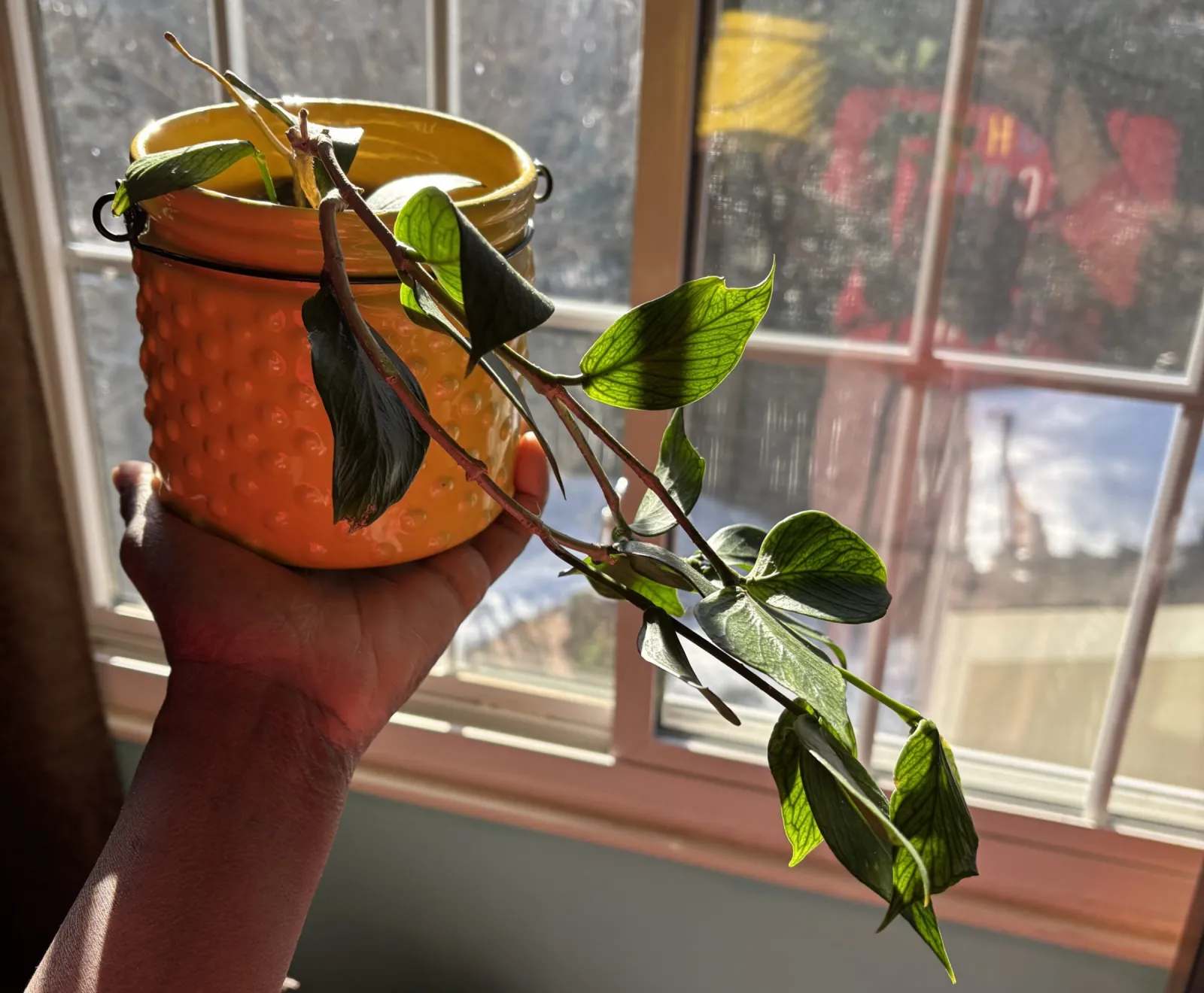
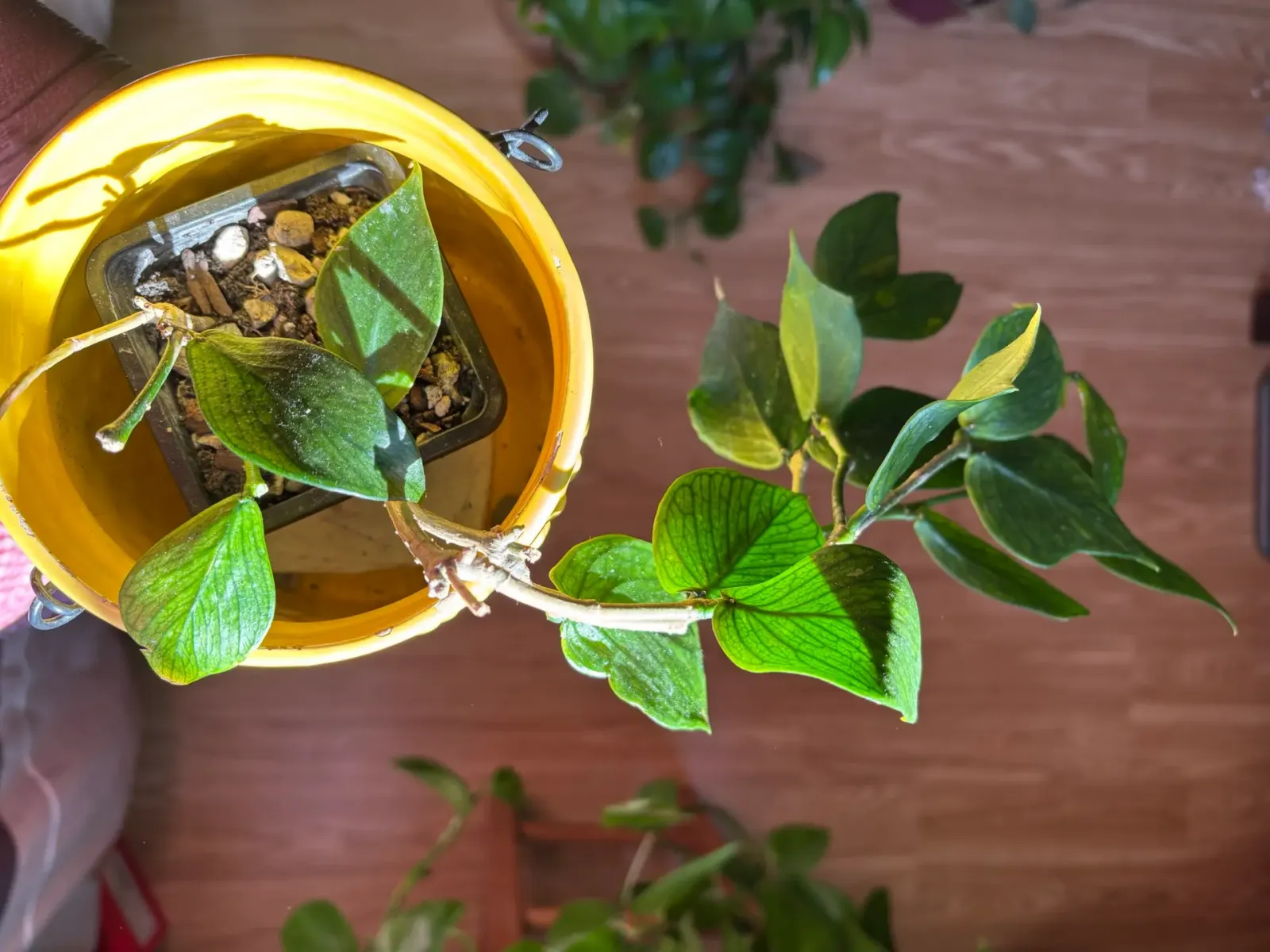
This article might be as much about firsts as it is about trying a houseplant you do not dare to try. I say that because I ordered my first Hoya through Etsy, the Polyneura Non-variegated form. That was another first for me. I definitely had reservations about ordering anything through Etsy, let alone a live houseplant.
I Looked Everywhere
It was only after trying several plant nurseries in my local area and learning that some of them had not even heard of this Hoya variety that I ventured into the unknown of ordering a Live plant on Etsy.
Hoya – My New Favorite Plant Genus
After receiving my first Hoya ever, I felt the Hoya “itch” coming on, so I went online and ordered a couple more. I must say that I was not as impressed with the two 4″ Hoya Publicalyx plants I ordered online from a different vendor, because they did not look as healthy as the H.Polyneura did.
To clarify, the first Hoya Publicalyx Splash arrived with lots of brown spots on the leaves. The second one also had many brown spots on the leaves, but it was a much fuller, trailing hanging plant.
Over 500 Species
There are over 500 species of Hoya plants, also known as Wax Plants. So, I was not disappointed with my local plant shops, not to mention that I also began my search in the middle of a cold, snowy winter in my area!
Hoya Polyneura
I was first introduced to the Hoya Polyneura when Wild Fern showed a very full and trailing one on her YouTube channel. But over the past several years, other houseplant influencers have also shown off their Hoya Collections! I am a sucker for a bushy trailing plant, and that is how I faced my fear of Hoya and decided to set out to find one!
Also, the Hoya Polyneura may be more available in Canada, where “Wild Fern” lives. It is also quite possible that she purchased hers in the middle of the summer growing season and not during the middle of a harsh Canadian winter.
https://www.youtube.com/@wildfern
A Waxy Look and Feel
Most Hoyas have shiny leaves, hence their common name, Wax Plant. I love plants with a natural sheen, as I do not believe in using chemicals to make them shine.
Chemical sprays can even be harmful to houseplants, as they can clog up the plant’s natural stomata, similar to how pores act on our skin. The stomata allow the plants to breathe oxygen.
The Succulence of Hoya
Unlike the Polyneura, some Hoya have leaves that are very plump or succulent, and many houseplant lovers say leaves that bend easily when gently squeezed indicate that the plant needs good watering. Meanwhile, stiff leaves suggest the plant is not yet thirsty.
Propagating Hoya
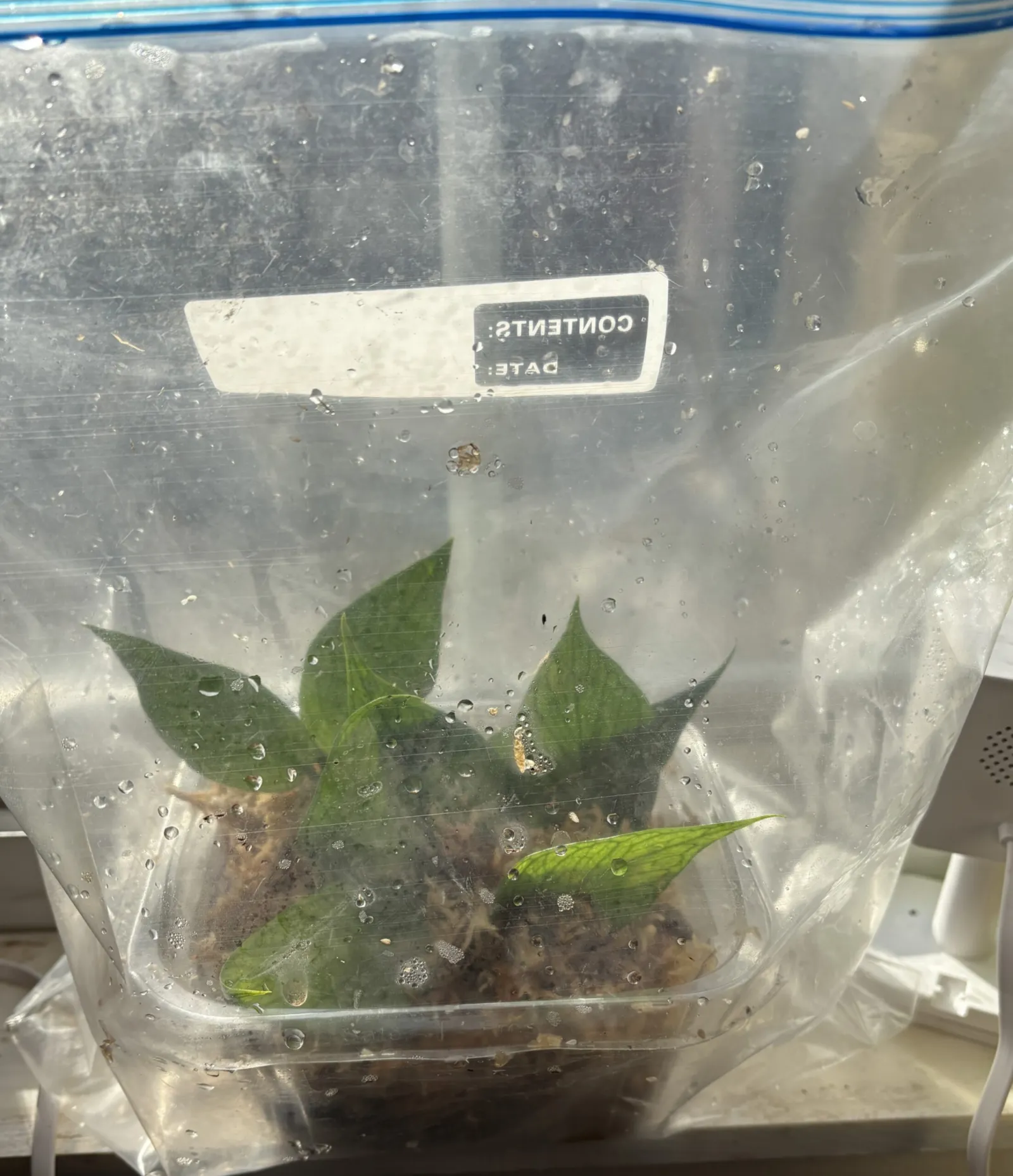
I was surprised to discover that Hoya can propagate quickly and easily in nearly any substrate. And that includes the water-only option. However, I chose to propagate my Fishtail (Polyneura) in long Sphagnum Moss, another first for me, because I am all about water propagation.
When propagating Hoya, aim for at least two leaves per cutting. My Hoya Polyneura arrived with two long stems. So, I took some cuttings from the longest stem to propagate.
A Delicate Root System
So far, I have placed one of the cuttings back into the mother plant because its roots were about 1-2 inches long. I was surprised to learn that although Hoya’s stems are woody, its roots are delicate, almost lacy, so I have to handle them with care.
The Greenhouse Effect
I put the other cuttings back in Sphagnum and inside a plastic bag to create the “greenhouse affect”. The goal is to have a full Hoya Polyneura with at least 6-8 long stems. Starting this project at the beginning of the plant growing season gives me an advantage. So, wish me luck!
You Can Use Almost Anything
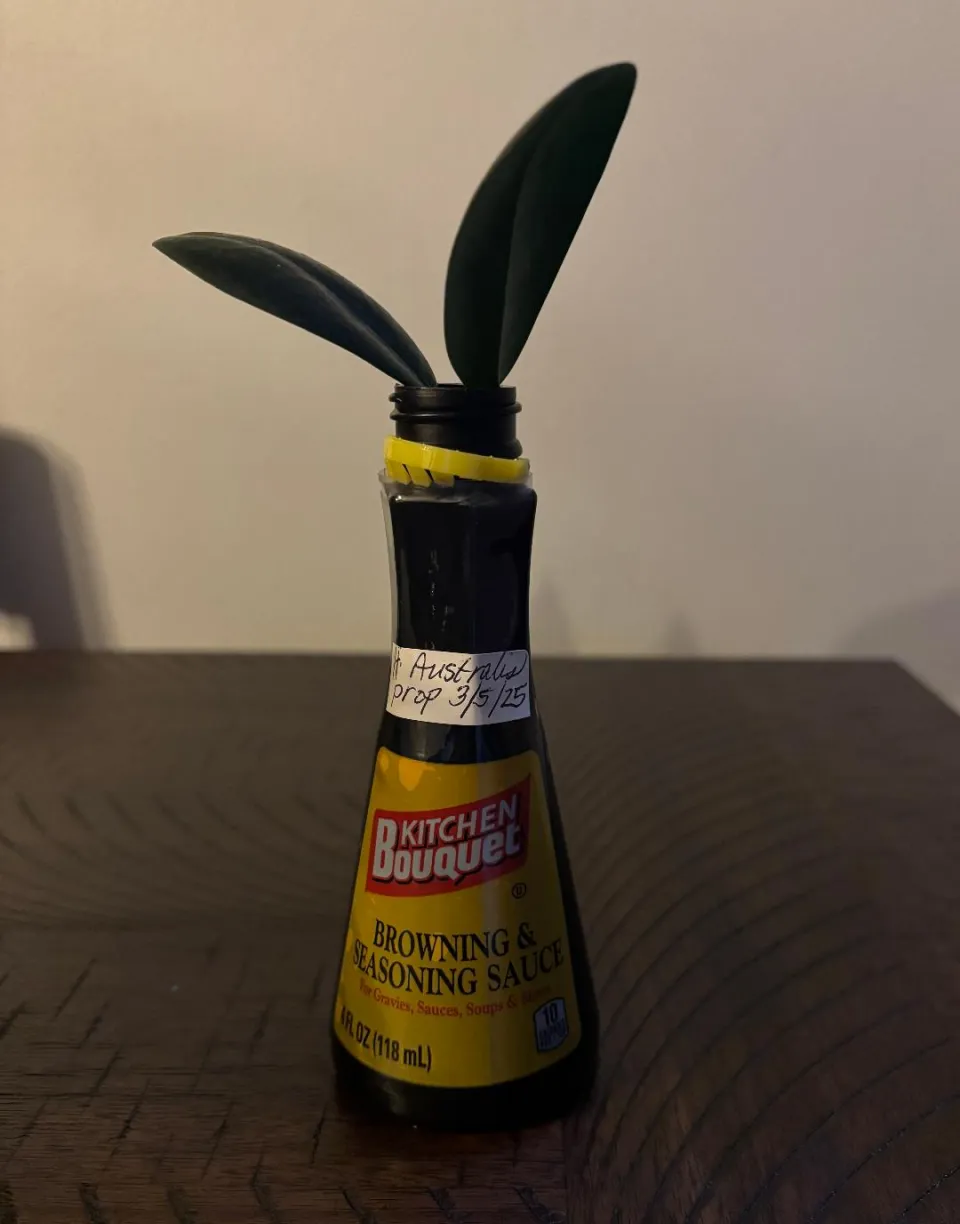
As with any plant, almost any kind of vessel can propagate it. I often use plastic containers from various products, from dark-colored beer bottles to yogurt containers, old jam jars, and browning gravy bottles, and everything in between.
Propagating any plant in dark-colored vessels mimics how the roots grow in the potted soil or in the ground in dark environments. This can help your cuttings to root faster because the plant doesn’t have to split the light between the foliage and the roots. Instead, it can focus on growing roots while the foliage absorbs either natural light or grow light.
How They Grow
As stated earlier, I prefer trailing plants rather than climbing or epiphytic plants, which also climb up trees in their natural habitats in search of more sunlight.
I have intentionally chosen to start with three Hoyas known for being fast growers: H. Polyneura, H. Publicalyx, and H. Australis (green form).
To Trellis Or Not
Many plant parents prefer to put their Hoya on a trellis, a moss pole, or even an ordinary cedar board to encourage climbing. One day, I will also provide a support apparatus for one of my Hoyas to climb. Still, I will try to get to know this plant species before I grow one to climb up anything.
Lighting
In full disclosure, I also hesitated to add Hoya to my already complete plant collection because I have read and heard that they require a lot of bright light. The south side of my house is already full of plants.
Incidentally, all houseplant care instructions tell you the plant requires “bright indirect light.” Literally, 99% of the houseplant care instructions state that. But what exactly is “bright indirect light”? Who knows?
Enough Light To Read By
I am not a houseplant enthusiast who uses a light meter to measure “foot candles”. No, I am too carefree for all of that methodology. If I can read a book without turning on the light, my plants get enough light, and that is as far as I will go about lighting.
I bought an expensive Sani light bulb a few years ago to help some of my struggling plants and propagations. But I don’t know if it helped. Suffice it to say that I don’t have any of those plants now!
Watering Needs
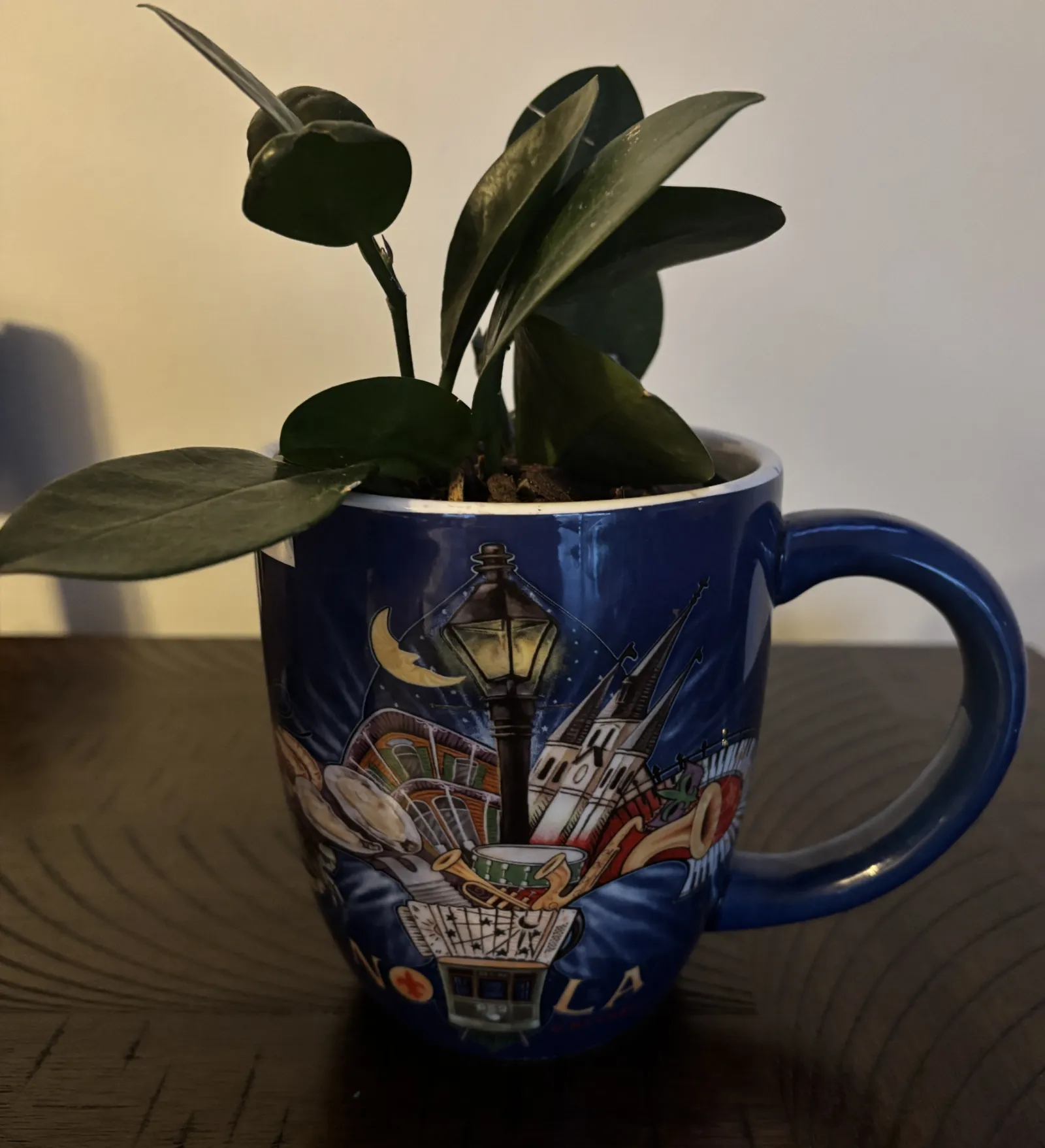
Even if I have said it somewhere already, it is worth repeating. I am a heavy-handed waterer, and more plants die from over-watering than anything else. That said, I was initially surprised at how quickly Hoya leaves can turn yellow and die off if it is over-watered even once.
The only thing that saved my plant from total death was that I immediately put it outside (only during the warmer months) to let it air out as quickly as possible. Phew!
Water and Airflow
Then, in anticipation of the colder winter months when I could not put plants outside and the days would offer me much less sunlight, I repotted most of my Hoya into a much chunkier soilless mix. I have also been generous with adding pumice to the blend to ensure better oxygen flow. So far, that has worked for me, but I still have trepidation about watering my Hoya plants
To Flower or Not
I love all the colorful flowers in my outdoor garden, but indoors, I don’t care for them except when I pick some from my yard to put in a vase on my table. Like all of my houseplants, I bought Hoya for the foliage (the leaves).
I have heard that many Hoyas produce beautiful, fragrant flowers once established, but still, I am all about the foliage. That said, I would definitely welcome fragrant blooms on my Hoya, but that is a long way off since I am just now starting my Hoya collection with young plants that will take a while to become established. But who knows?
Enduring The Colder Months
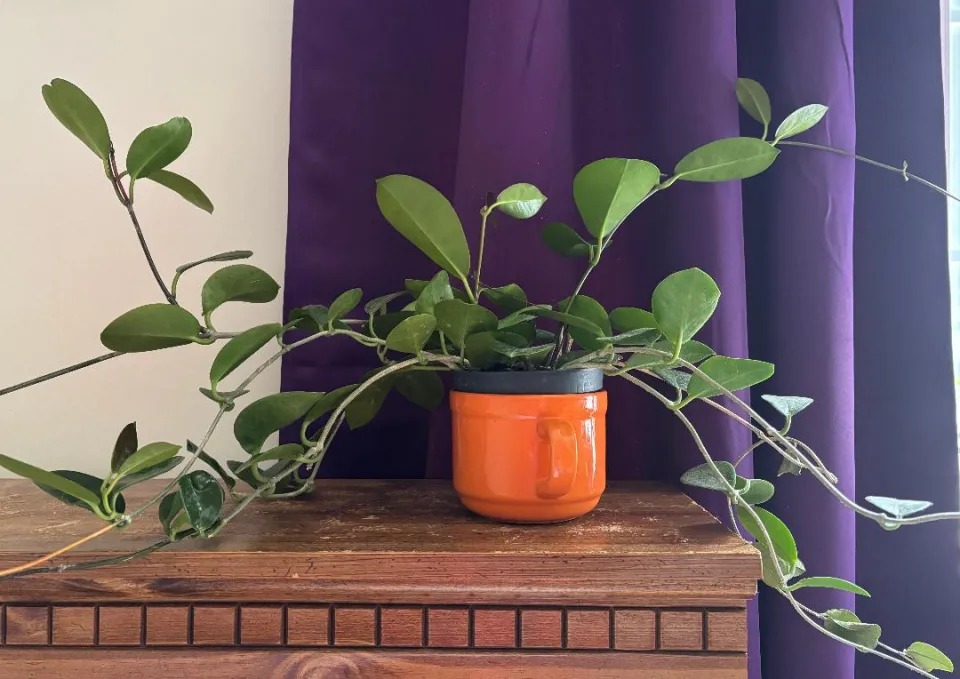
Summer came around, and I purchased a few mature Hoya after overcoming my fear of caring for them. I do like to grow plants from small and watch them become lush with long trailing vines. But sometimes, I want to fill an empty corner with a large plant without waiting for it to mature.
Warmer Weather Finally Got Here
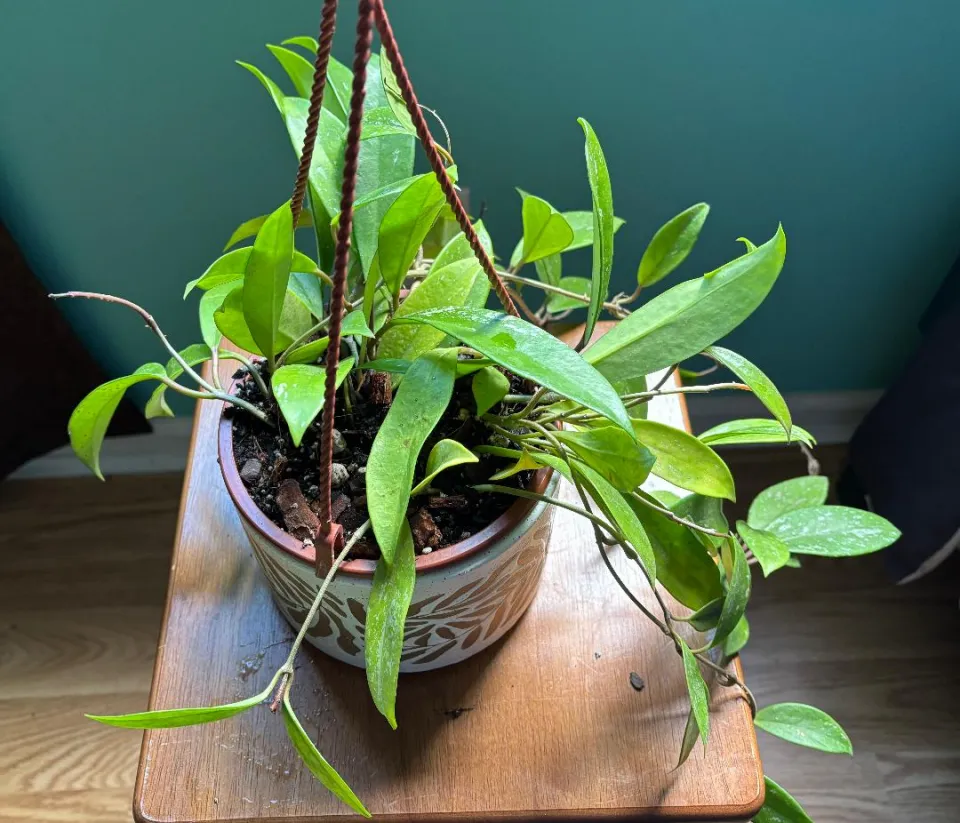
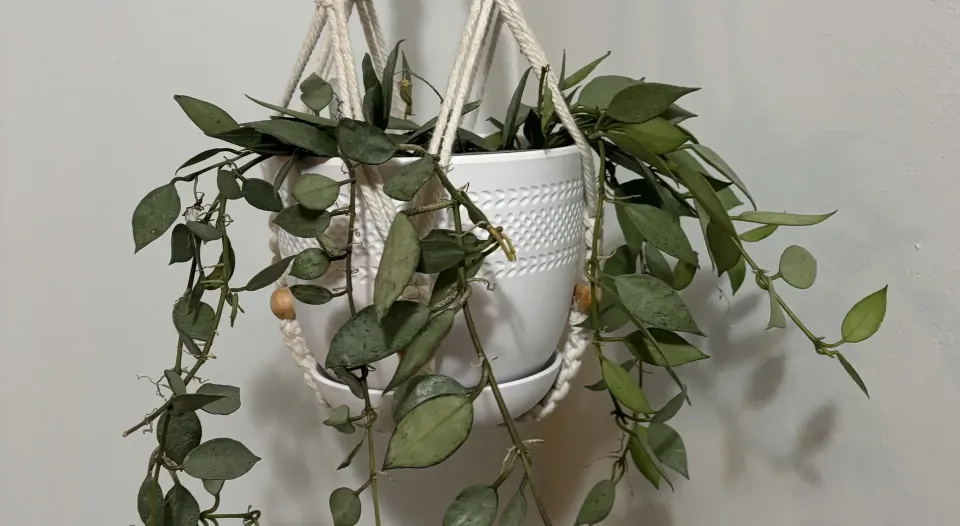
As I promised myself, as soon as we got on the other side of the cold temperatures, I went shopping for an already established Hoya at one of my local nurseries. (Photo directly above).
I was hesitant to purchase it because I was afraid it might have mealybugs, as some of their smaller specimens displayed on tables had, due to being so closely bunched together.
Isolate Infected Plants
When plants are closely bunched, insects from even one plant can quickly spread to all the nearby plants. But this Hoya was a new arrival at the nursery, hanging in a different area from the tabled plants.
And so far, so good. I have not detected any bugs, and I have had this plant for at least three months now.
Repotting Hoya
Oooh… be careful with this one, my loves. There is controversy over whether to repot a houseplant as soon as it arrives in your home. And I get both sides of the debate.
As for repotting, unlike plants such as Pothos, Hoya can take a long time to recover from the shock of repotting, even if you have a valid reason for repotting it, such as to put it in a soilless mix that works better with the environment inside your living space, or if it has outgrown its current vessel.
Fast Growth. Slow Growth
I am impatient with how fast my houseplants grow, so to combat my mental anguish, I have purchased enough Hoya (and houseplants in general) that if a plant is a slow grower, I also have at least a few houseplants in active growth at any given time of year.
Be Gentle With The Roots
Some things to keep in mind when repotting Hoya: 1. Be mindful of its delicate roots. Try not to disturb the main root ball, even if you have to tease the bottom roots a little bit to loosen the soil at the bottom.
2. Make sure it receives the maximum amount of available light after repotting. But be careful about direct sun exposure.
3. Lastly, leave it alone! The more you fuss with your Hoya, the less they thrive!
Go On, Try a Different Plant
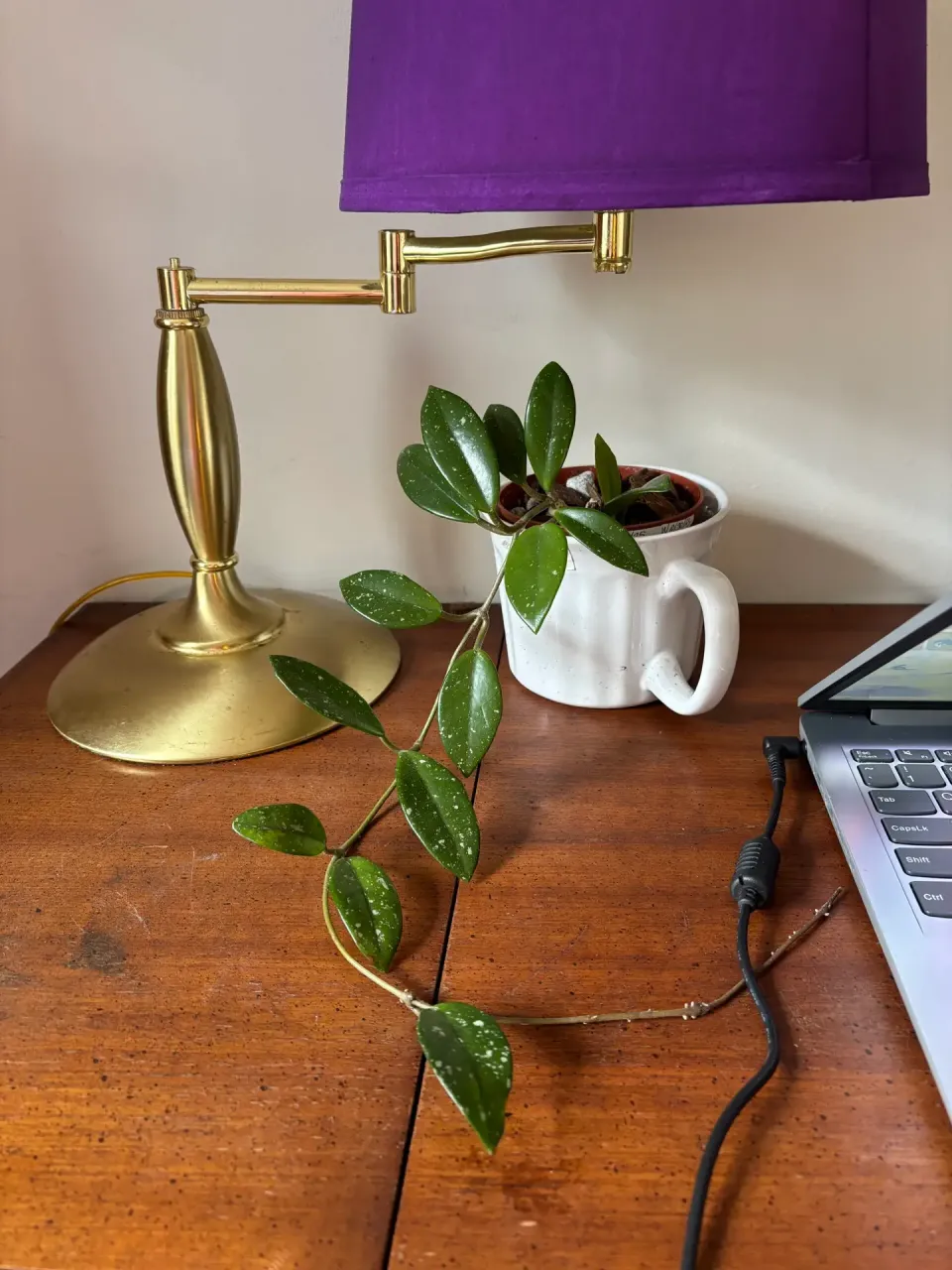
Although it was already established, I have noticed some new growth, and that is fine with me! Branching out to purchase a plant genre I was afraid to try has opened my eyes to a great experience!
You should step out and try a new plant genre that you don’t currently have in your collection. It might inspire you to face your fears and try new things in other areas of your life as well!
Filed under Indoor Plants & Gardening
Denise Lewis
A Crescent City girl, writer since fourteen, “The Garden Lady” to her neighbors — and an empty nester learning to rehabilitate, renew and rejuvenate. Pull up a chair.
More about me →Free · No spam · Leave anytime
Don’t miss out on this good gumbo.
It is FREE to subscribe! You will receive a note whenever I post a new article.
Leave a note for Denise